
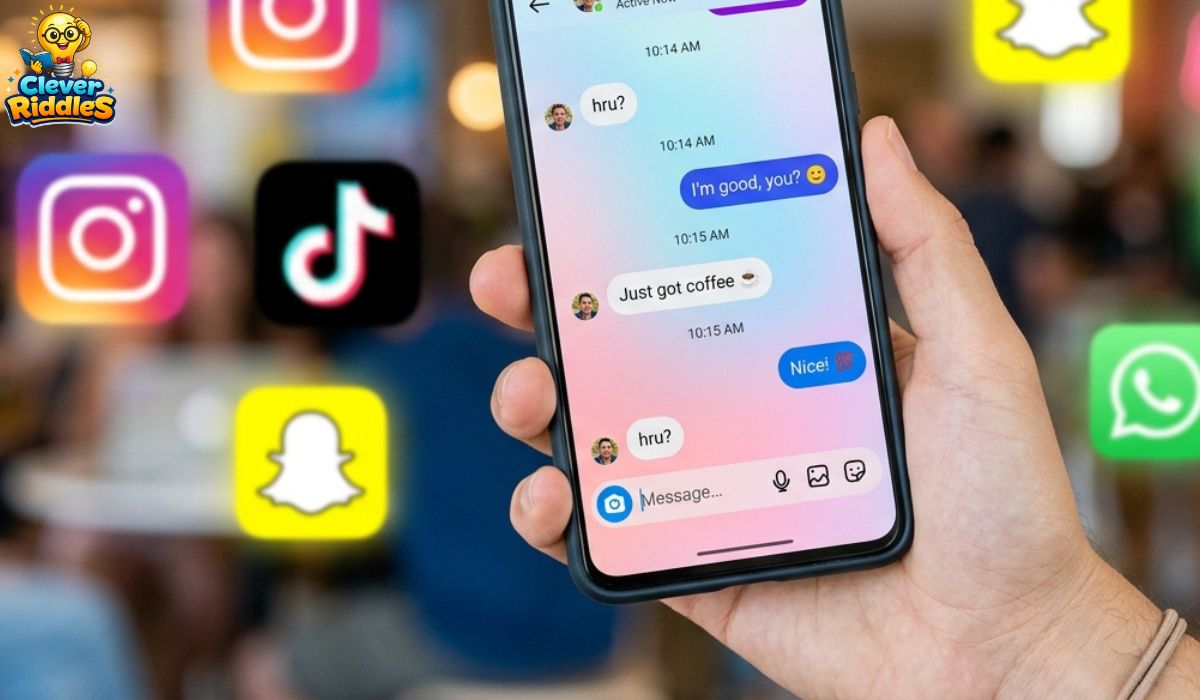
You are texting a friend and suddenly get a message that just says “hru.” Your mind pauses for a second. What does that even mean? Did they make a typo? Is it some new slang you missed?
Dont worry. HRU is not complicated. It simply stands for “How Are You.”
This three letter abbreviation has taken over digital communication. It appears everywhere from Snapchat to work Slack channels. People use it to check in, start conversations, and even flirt. But here is the thing. Using HRU the wrong way can make you seem rude, lazy, or unprofessional.
In this guide, you will learn exactly what HRU means, how to reply to it in any situation, where it is commonly used, and when to avoid it completely. You will also discover the difference between HRU and similar abbreviations like HBU and WBU. By the end, you will never second guess a “hru” message again.
What Does HRU Mean in Texting and on Social Media?
The Short Definition of HRU

HRU stands for “How Are You.” It is a common abbreviation used in text messages and social media conversations. People use HRU to ask about someone’s well being without typing the full phrase.
This acronym saves time and effort during fast paced digital chats. It has become a standard part of online communication. You will see HRU used across almost all messaging platforms today.
How to Say HRU Out Loud
When reading HRU aloud, people usually say “aitch-are-you.” Voice assistants like Siri and Alexa expand it to “how are you” when reading texts. The abbreviation works in both written and spoken digital contexts.
Capitalization Differences in HRU
You will see HRU written in all caps, lowercase, or mixed case. “HRU” appears more formal or emphatic. “hru” feels more casual and relaxed. The meaning stays exactly the same regardless of capitalization.
How HRU Is Used in Everyday Chats
HRU appears in casual conversations between friends, family members, and acquaintances. It often serves as a conversation starter or a quick check in. People use it when they want to show interest in someone’s day or mood.
The abbreviation works well in informal settings. It helps keep conversations flowing without interrupting the natural rhythm of texting. Most regular texters recognize HRU instantly and respond without confusion.
Where Is HRU Most Commonly Used?
HRU Across All Major Platforms
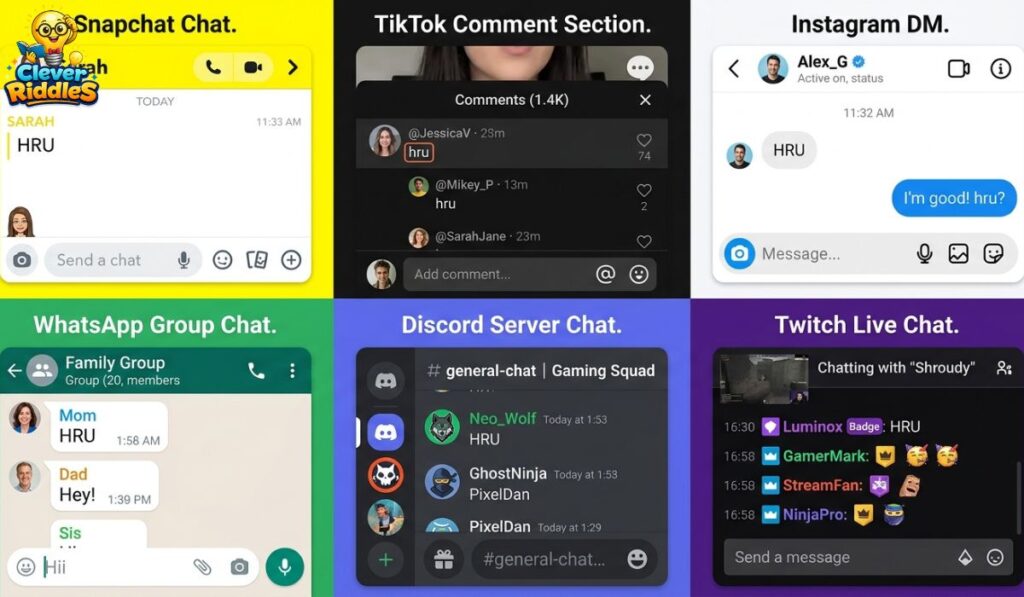
HRU appears across all major messaging and social media platforms. Here is where you will see it most often:
- Snapchat: Used in chats, story replies, and snaps
- TikTok: Common in DMs, comments, and live streams
- Instagram: Appears in DMs, story responses, and comment sections
- WhatsApp and iMessage: Standard in personal and group conversations
- Discord: Used in gaming servers and community chats
- Telegram and Signal: Common in secure messaging contexts
- Twitch: Frequent in live chat streams
HRU in Automated Messages and Chatbots
Many automated systems and AI chatbots now use HRU to sound more conversational. However, overuse can feel robotic or insincere. Some platforms intentionally avoid abbreviations like HRU to maintain a more natural, human tone.
How to Reply to HRU (With Examples)
Casual and Friendly Replies
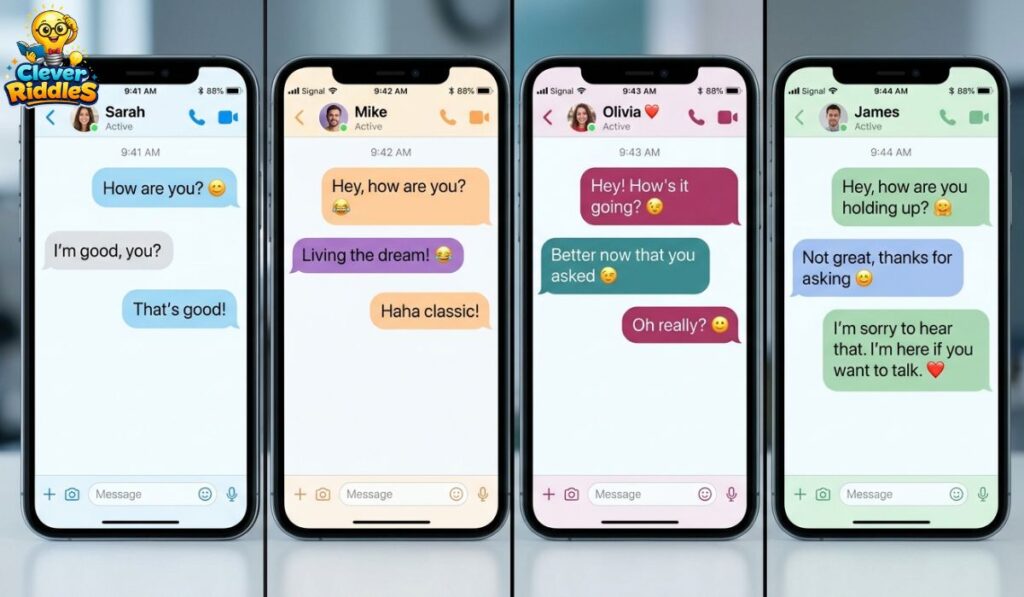
When someone sends HRU, you can keep your reply simple and natural. Casual responses help maintain an easy going conversation tone. Here are some common casual replies:
- “I am good, you?”
- “Doing well, thanks. How about you?”
- “Pretty good, just relaxing.”
- “All good here, hbu?”
These replies acknowledge the question and return it to the sender. They keep the conversation balanced and friendly. Most people appreciate this straightforward approach.
Funny Replies to HRU
A humorous response can make the conversation more entertaining. Funny replies show personality and can lighten the mood. Try these playful options:
- “Living the dream, or at least faking it well.”
- “Ask me again after coffee.”
- “I am functioning, that counts right?”
- “Too early to tell, check back later.”
These replies add character to your messages. They work well with friends who appreciate a good sense of humor. Funny responses often lead to more engaging conversations.
Flirty Replies to HRU
Flirty responses can create romantic tension or playful chemistry. These replies work when you have mutual interest. Consider these flirty options:
- “Better now that you asked.”
- “Thinking about you, so pretty good.”
- “I would be better if we were talking more.”
- “Great, but you could make it even better.”
Flirty replies show interest without being too forward. They leave room for the other person to respond. Use them when the conversation feels right.
Serious or Honest Replies
Sometimes you need to respond truthfully about your feelings. Honest replies build trust and deepen connections. Here are some sincere responses:
- “I have been better, but I will be okay.”
- “Honestly, today has been rough.”
- “Not great, but thank you for asking.”
- “I am going through some stuff, but I appreciate you checking.”
These replies invite real conversation and emotional support. They show vulnerability and authenticity. Serious replies often lead to more meaningful interactions.
Real Chat Examples of HRU in Action
Example 1: Casual HRU with a Flirty Tone
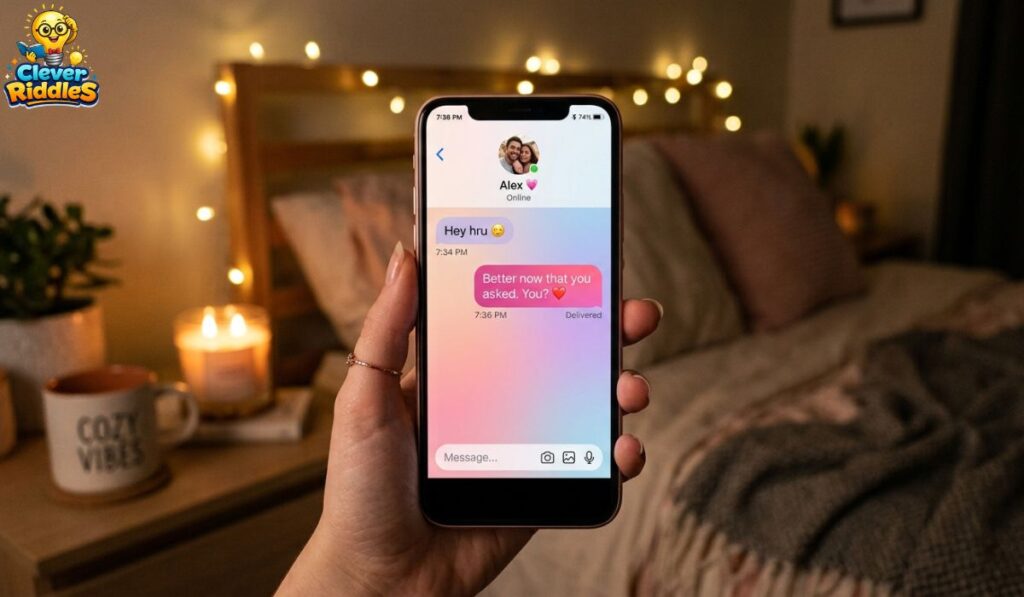
Alex: Hey hru 😉
Jamie: Better now that you asked. You?
Alex: Same here. What are you up to tonight?
Jamie: Nothing much, what did you have in mind?
Example 2: Serious HRU with an Honest Reply
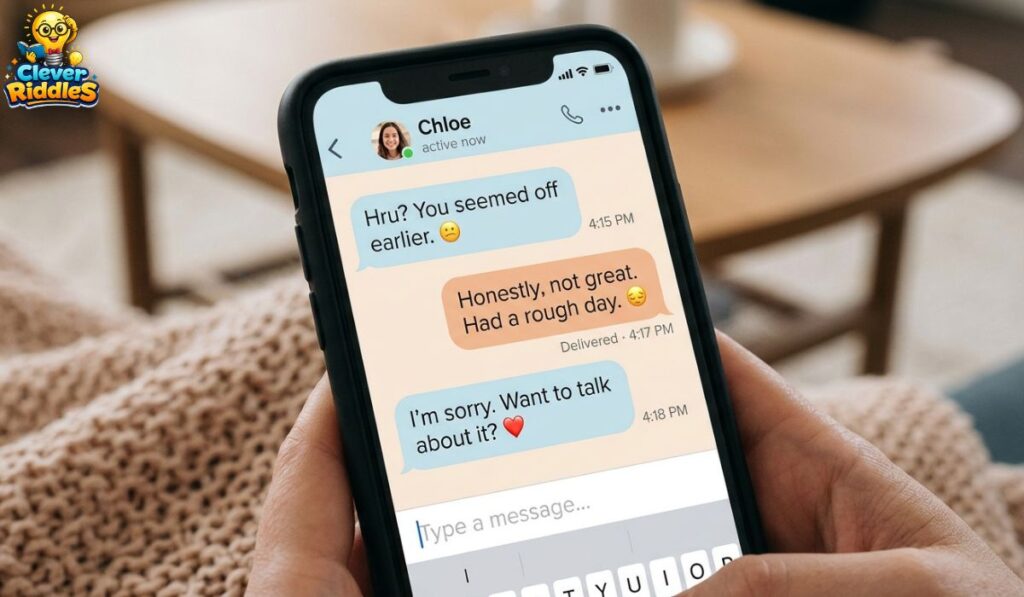
Sam: Hru? You seemed off earlier.
Taylor: Honestly, not great. Had a rough day.
Sam: I am sorry. Want to talk about it?
Taylor: Yeah, that would actually help.
Example 3: HRU in a Group Chat
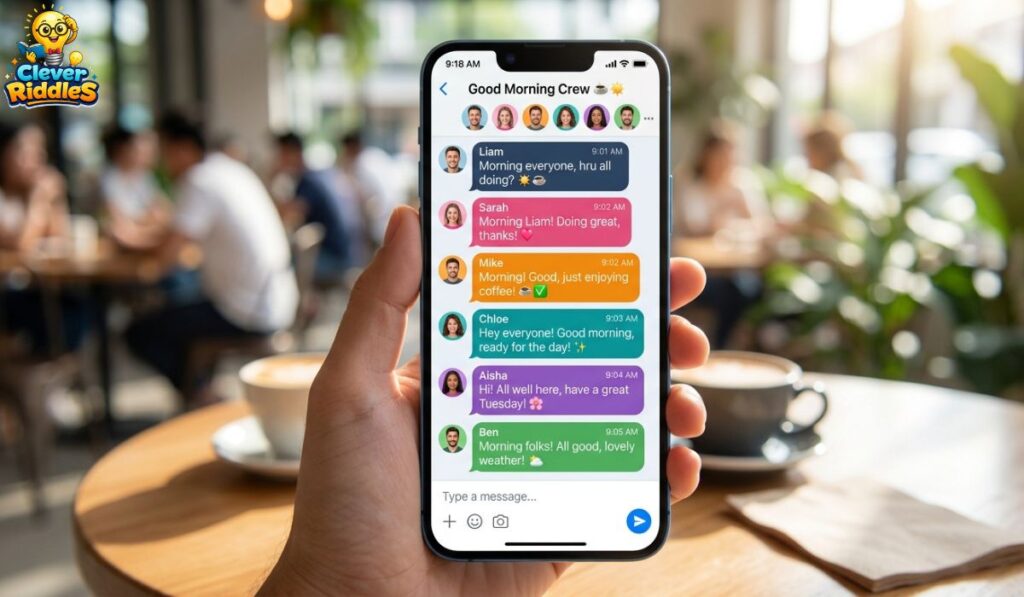
Group Member: Morning everyone, hru all doing?
Member 2: I am good, busy week though.
Member 3: Same here, just surviving.
Member 1: Sounds like we all need the weekend.
HRU vs HBU: What’s the Difference?
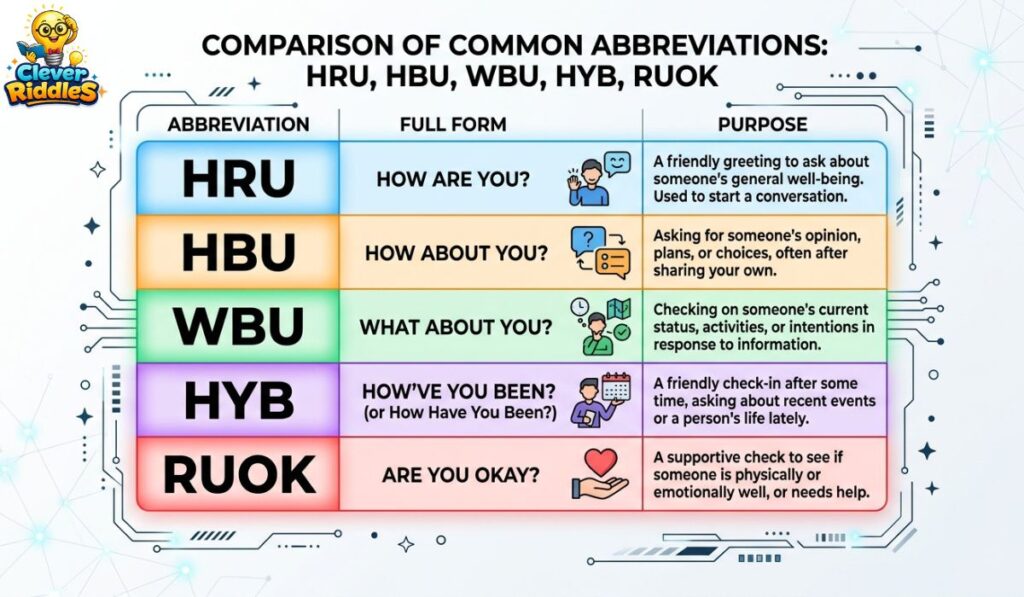
HRU vs HBU Side by Side Comparison
HRU and HBU are both common texting abbreviations but serve different purposes. HRU stands for “How Are You” and asks about someone’s well being. HBU stands for “How About You” and asks for the other person’s perspective.
Here is a comparison table:
| Abbreviation | Full Meaning | Purpose | Common Use |
| HRU | How Are You | Ask about someone’s condition | Starting conversations |
| HBU | How About You | Ask for someone’s opinion or status | After sharing your own view |
| WBU | What About You | Ask for someone’s situation | Similar to HBU |
| HYB | How You Been | Ask about recent activities | Checking in over time |
| RUOK | Are You OK | Express concern | Serious check ins |
Common Confusions Between HRU and Other Slang
People often confuse HRU with similar abbreviations. HBU and WBU frequently get mixed up with HRU. Understanding the differences helps avoid awkward conversations.
HRU focuses on well being and feelings. HBU and WBU focus on opinions, plans, or activities. Using the wrong abbreviation can confuse the receiver and break conversation flow.
Some people also mistake HRU for HYB. HYB asks about recent events, while HRU asks about current state. The distinction matters for accurate communication.
Is HRU Flirty or Just Friendly?

How Context Changes the Meaning of HRU
The meaning of HRU depends heavily on the conversation context. A friend asking HRU usually means a simple check in. A romantic interest asking HRU might carry extra meaning.
The relationship between the sender and receiver matters greatly. Long time friends use HRU casually without romantic undertones. New connections might use HRU to test interest and start conversations.
The timing and frequency of HRU also provide clues. Frequent HRU messages can signal increased interest. One time HRU messages typically stay in the friendly zone.
Signs HRU Might Be Flirty
Certain patterns indicate HRU might have flirty intentions. Look for these signs when someone sends HRU:
- They use HRU as a conversation opener repeatedly.
- They ask HRU and then keep the chat going for a long time.
- They combine HRU with compliments or emojis.
- They respond quickly and enthusiastically to your reply.
Flirty HRU messages often lead to deeper conversations. They serve as a way to initiate romantic interest subtly. Pay attention to the overall tone of the exchange.
Is HRU Rude or Polite?
When HRU Feels Impersonal
HRU can come across as rude or dismissive in certain situations. The abbreviation lacks the warmth of the full phrase. It might seem like the sender does not care enough to type four words.
Using HRU during serious conversations can feel insensitive. It may appear as a hollow formality rather than genuine concern. Some people perceive HRU as lazy or indifferent.
The brevity of HRU can make it seem like a reflex rather than a question. Receivers might feel the sender does not truly want an answer. This perception can damage trust in relationships.
When HRU Is Acceptable and When It’s Not
HRU is perfectly acceptable in informal digital conversations. Friends, family, and peers use it without any issue. It is standard in group chats, social media, and casual messaging.
However, avoid HRU in professional settings. Emails, work messages, and formal communication require the full phrase. Using HRU with strangers or authority figures can seem disrespectful.
HRU is also unsuitable during sensitive discussions. Serious topics deserve thoughtful language and full expressions. Save HRU for light hearted and everyday conversations.
Common Mistakes People Make With HRU

Misreading Tone or Intent
Many people misinterpret HRU based on their own assumptions. A simple HRU might seem disinterested to someone expecting warmth. The brevity can create unnecessary misunderstandings.
Some receivers perceive HRU as robotic or automated. They might think the sender does not truly care. This misreading can damage otherwise good relationships.
Ask clarifying questions if you feel unsure about intent. Avoid jumping to negative conclusions based on one abbreviation. Communication works best with patience and understanding.
Using HRU in the Wrong Setting
Using HRU in professional contexts remains a common mistake. Job interviews, client communication, and workplace emails require formality. HRU looks unprofessional and careless in these settings.
Another mistake involves using HRU during serious discussions. Heavy topics deserve thoughtful language and full phrases. HRU can seem dismissive and reduce the gravity of the situation.
Know your audience before using any abbreviation. Different relationships and contexts require different language. Adjust your communication style accordingly.
When NOT to Use HRU
Professional and Formal Situations
HRU has no place in formal professional settings. Business emails, job applications, and corporate messages need proper language. Always write “How are you” in full for work related communication.
Client communication also requires the full phrase. It shows respect and professionalism. Using HRU with clients can damage your reputation and credibility.
Official correspondence like legal documents never uses abbreviations. Formal writing requires complete words and clear expressions. HRU belongs exclusively in casual digital spaces.
Conversations Where Clarity Matters More
Some personal conversations also demand more clarity. Discussing health issues, emotional struggles, or important matters requires thoughtfulness. HRU cannot adequately express genuine concern in these situations.
Using HRU with elders or more formal relatives can seem disrespectful. Some generations prefer traditional language over abbreviations. Consider the other person’s communication preferences carefully.
Emotional conversations benefit from complete sentences. They show effort, care, and attention to detail. Save HRU for light, everyday interactions.
Why Did HRU Become So Popular?
The Rise of Text Abbreviations
Text abbreviations emerged with the rise of mobile messaging. Early mobile phones supported only 160 characters per SMS, making abbreviations essential. Users needed to compress their messages to avoid splitting texts into multiple parts, which cost extra.
HRU first appeared in SMS messages and early instant messaging platforms like AOL Instant Messenger (AIM) during the late 1990s. The character limit forced users to create abbreviations to save space.
SMS messaging popularized many common abbreviations. HRU joined a growing list like LOL, BRB, and OMG. These terms became language shortcuts in the digital age.
Smartphones and messaging apps continued the trend. The need for quick communication never disappeared. Abbreviations like HRU remain relevant and widely used.
How HRU Became a Staple in Digital Communication
HRU transitioned from practical shortcut to social norm. People use it without thinking because it feels natural. The abbreviation has become embedded in digital culture.
Social media accelerated the adoption of HRU and similar terms. Platforms encouraged short, fast interactions. HRU fit perfectly with the social media communication style.
Today, HRU remains common across multiple age groups. According to Pew Research Center data on texting habits, abbreviations like HRU are most frequently used by adults under 40, while usage declines among older demographics. HRU is particularly dominant among Millennials and older Gen Z users.
Its popularity extends beyond the United States. HRU appears regularly in countries like the UK, Australia, India, and Canada. However, regional slang equivalents also exist, such as “alright?” in the UK or “how’s it going?” in Australia.
HRU Meaning Quick Summary
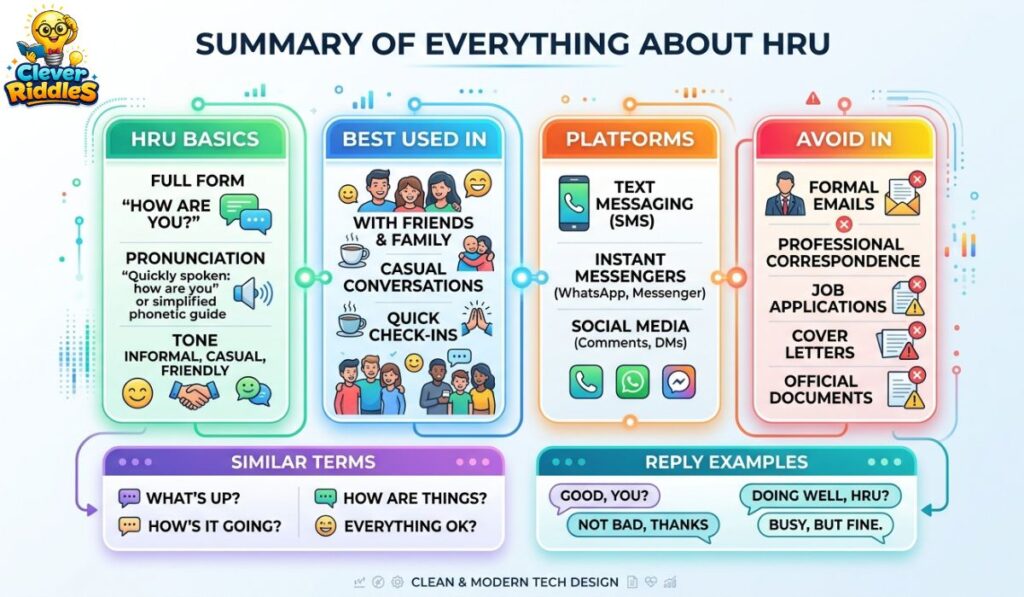
Here is a quick reference table for everything about HRU:
| Aspect | Details |
| Full Form | How Are You |
| Pronunciation | Aitch-are-you (letters) or “how are you” in voice |
| Main Purpose | Asking about someone’s well being |
| Best Used In | Casual texts, social media, group chats |
| Avoid In | Emails, formal messages, serious discussions |
| Tone | Friendly, informal, sometimes flirty |
| Common Platforms | Snapchat, TikTok, Instagram, WhatsApp, iMessage, Discord, Telegram, Twitch |
| Similar Terms | HBU, WBU, HYB, RUOK |
| Reply Examples | “I am good, you?”, “Better now that you asked”, “Not great, thanks for asking” |
Frequently Asked Questions

Is HRU considered outdated by Gen Z?
Gen Z uses HRU less frequently than Millennials. Many prefer “you good?” or “how goes it?” However, HRU still appears regularly across all age groups.
Can I use HRU on LinkedIn DMs?
Avoid HRU on LinkedIn. Professional networking platforms require formal language. Write “How are you” instead.
Does HRU work in professional Slack messages?
HRU is acceptable in casual Slack channels with coworkers you know well. Avoid it in professional channels or messages to senior leadership.
What is the difference between HRU and “hru” in casual texts?
There is no meaning difference. “HRU” is slightly more formal or emphatic. “hru” feels more relaxed and casual.
How do you respond to HRU when you are having a bad day?
Be honest but brief. Say “Not my best day, but I will be okay” or “Honestly, I have been better.” This invites support without oversharing.
What does HRUU stand for?
HRUU is a common typo for HRU. The extra U comes from accidentally pressing the key twice. The intended meaning remains “How Are You.”
Does HRU mean something different on Discord or Twitch?
No. Gamers use HRU the same way as everyone else. It still means “How Are You.” Gamers often ask HRU to check in with teammates before matches.
Why do people ignore HRU messages?
People may ignore HRU if they are busy, overwhelmed, or do not feel like engaging. Do not take it personally. Follow up once and let it go if they do not reply.
Final Thoughts

HRU is more than just a short way to say “How Are You.” It represents how digital communication has evolved to prioritize speed and efficiency. This small abbreviation carries significant meaning in casual online conversations.
Understanding HRU and its proper usage helps you navigate modern texting culture. You can now use HRU confidently in appropriate contexts. Remember to adjust your language based on the relationship and situation. The key is knowing when HRU works and when the full phrase better serves your intent. Use it wisely, and your digital conversations will feel more natural and connected.
